
Index Milestone Tracker
Stock market indexes are benchmarks that track the performance of a group of listed companies, giving investors a snapshot of how a specific market or sector is performing. Investors can gain exposure to these indexes through exchange-traded funds (ETFs), which replicate the performance of the index, or indirectly by investing in major companies that make up a large portion of the index, as their movements often influence overall index performance.
Below are selected indexes and how they performed over the period, highlighting estimated record highs reached, as well as the lowest levels observed in cases where the index traded below previous milestones.
Indexes
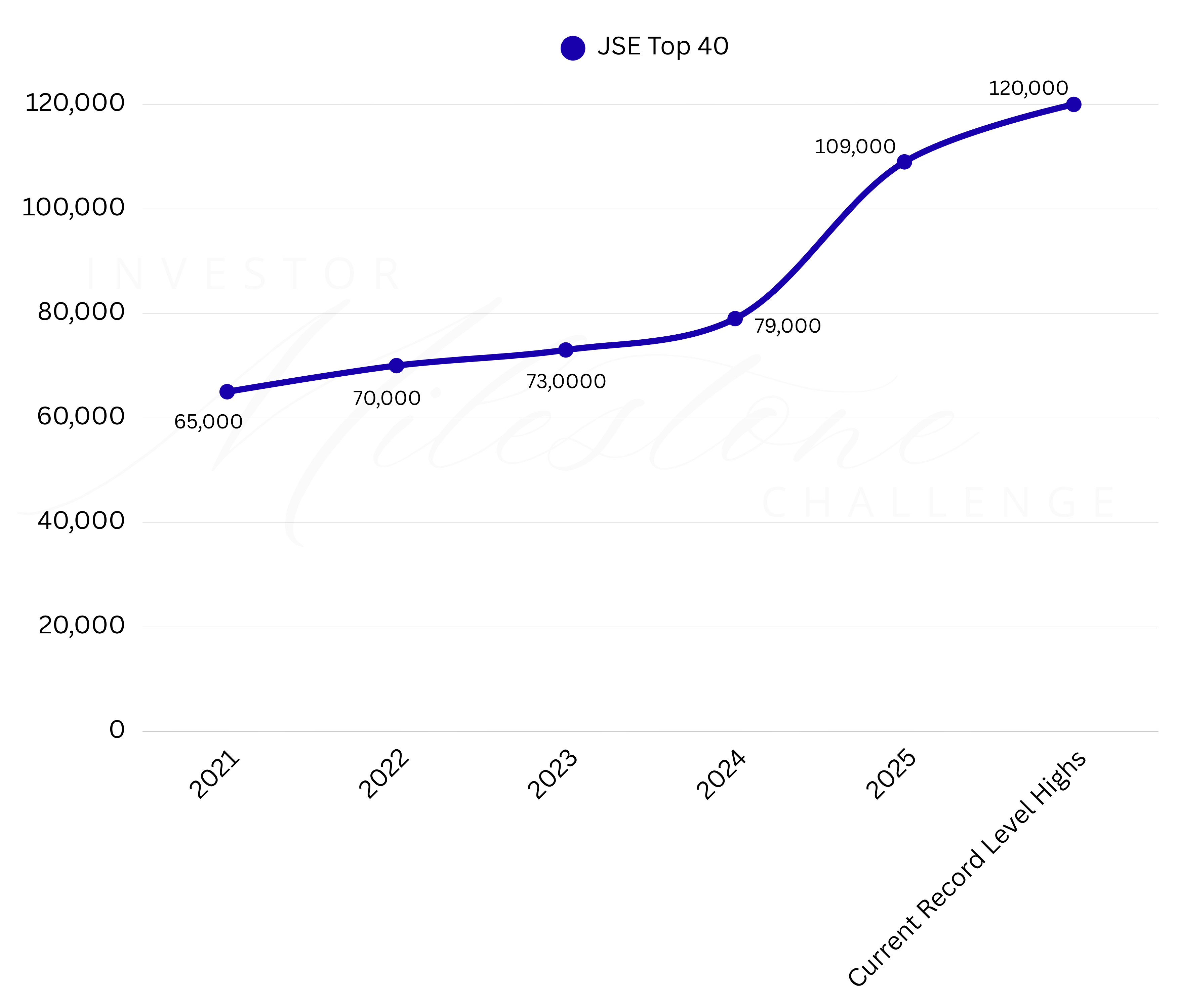
The JSE Top 40 tracks the 40 largest companies listed on the Johannesburg Stock Exchange, representing South Africa’s leading corporates, with heavyweights like Naspers and Prosus.
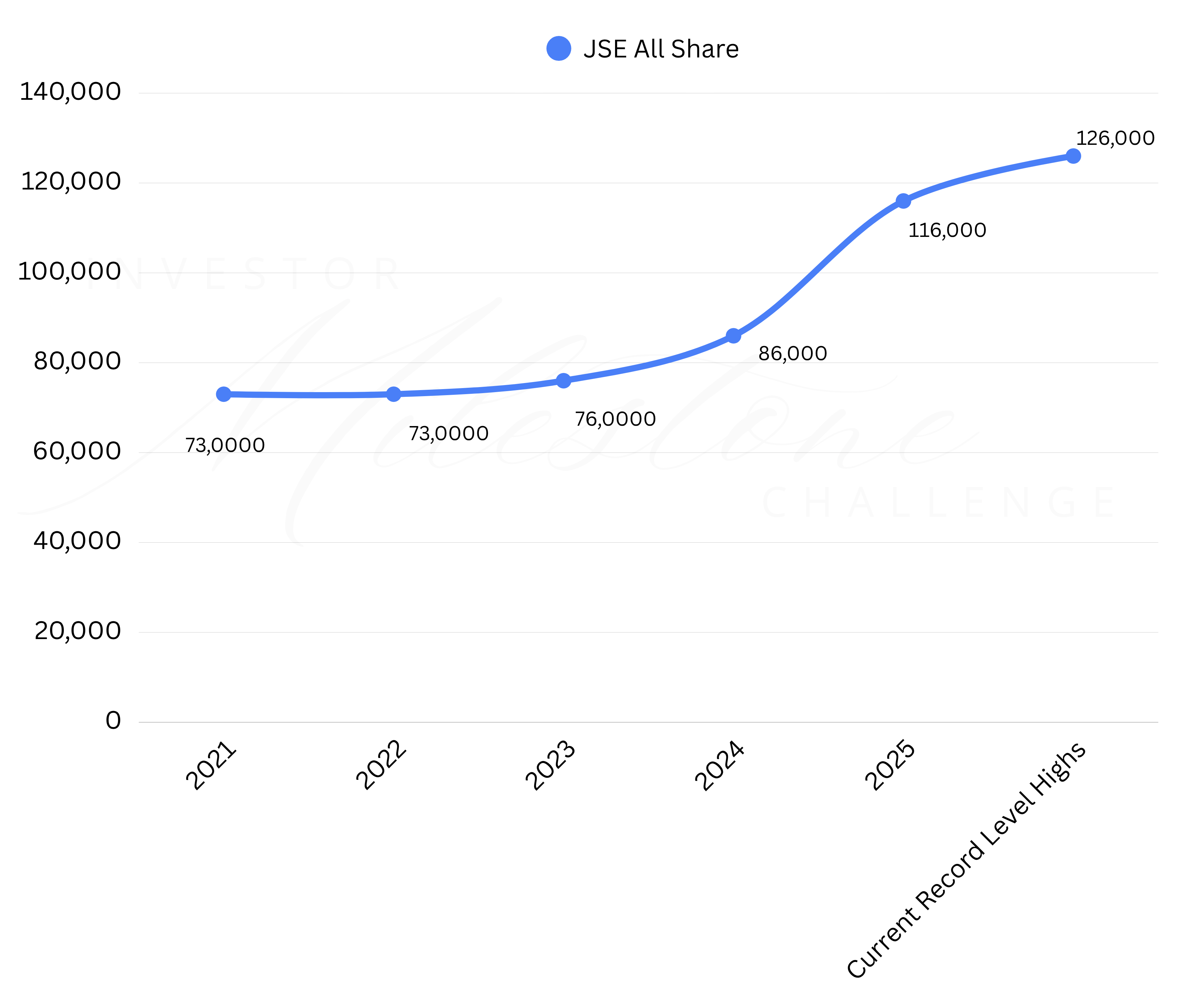
The JSE All Share Index reflects the broader South African equity market across most listed companies, including major players such as Anglo American and Standard Bank.
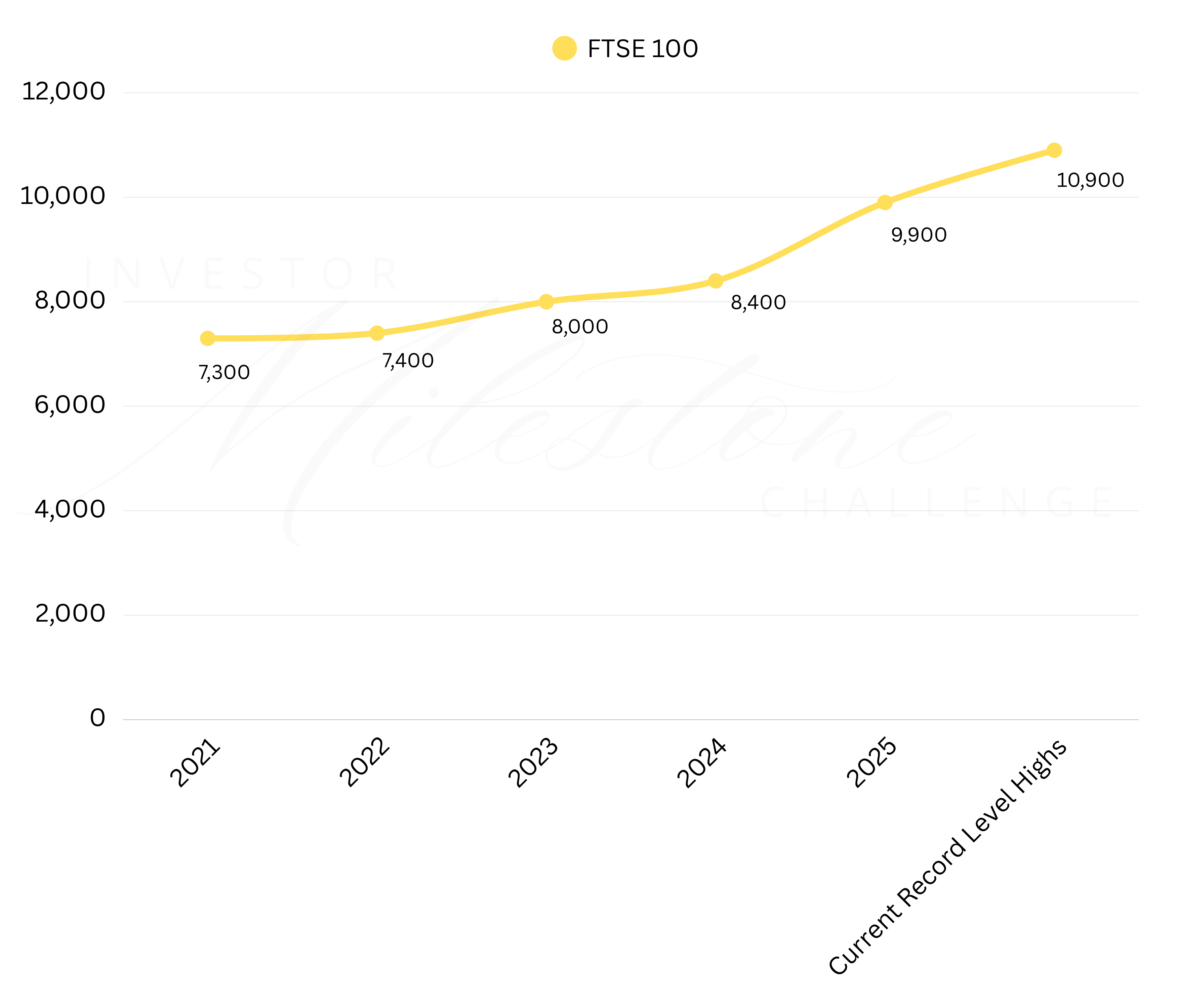
The FTSE 100 tracks the 100 largest companies on the London Stock Exchange, representing the UK market with companies like HSBC and Shell.
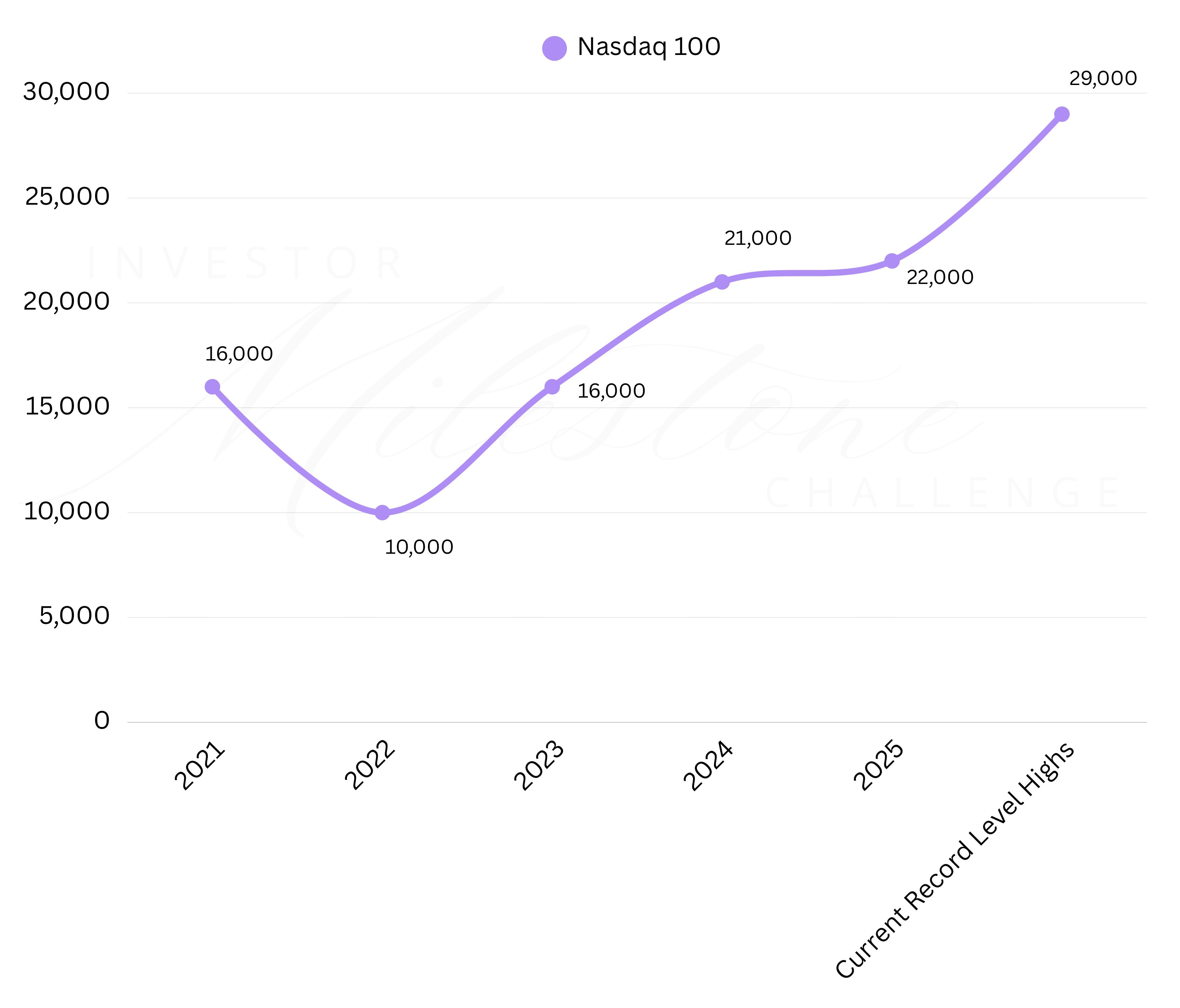
The Nasdaq-100 represents leading non-financial companies listed on the US NASDAQ, particularly in technology, with giants like Apple and Microsoft.
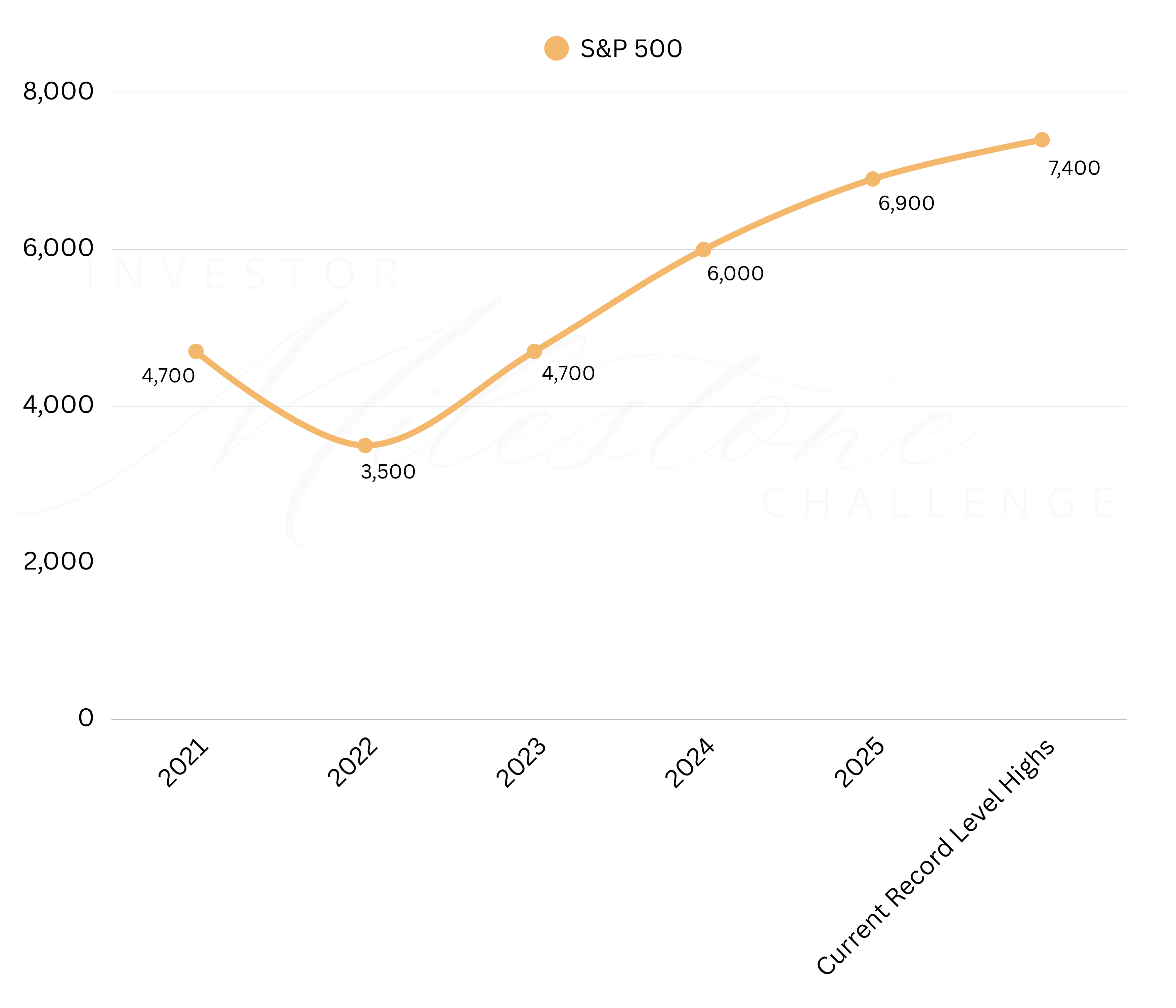
S&P 500 tracks 500 of the largest companies across the United States, including Amazon and NVIDIA.
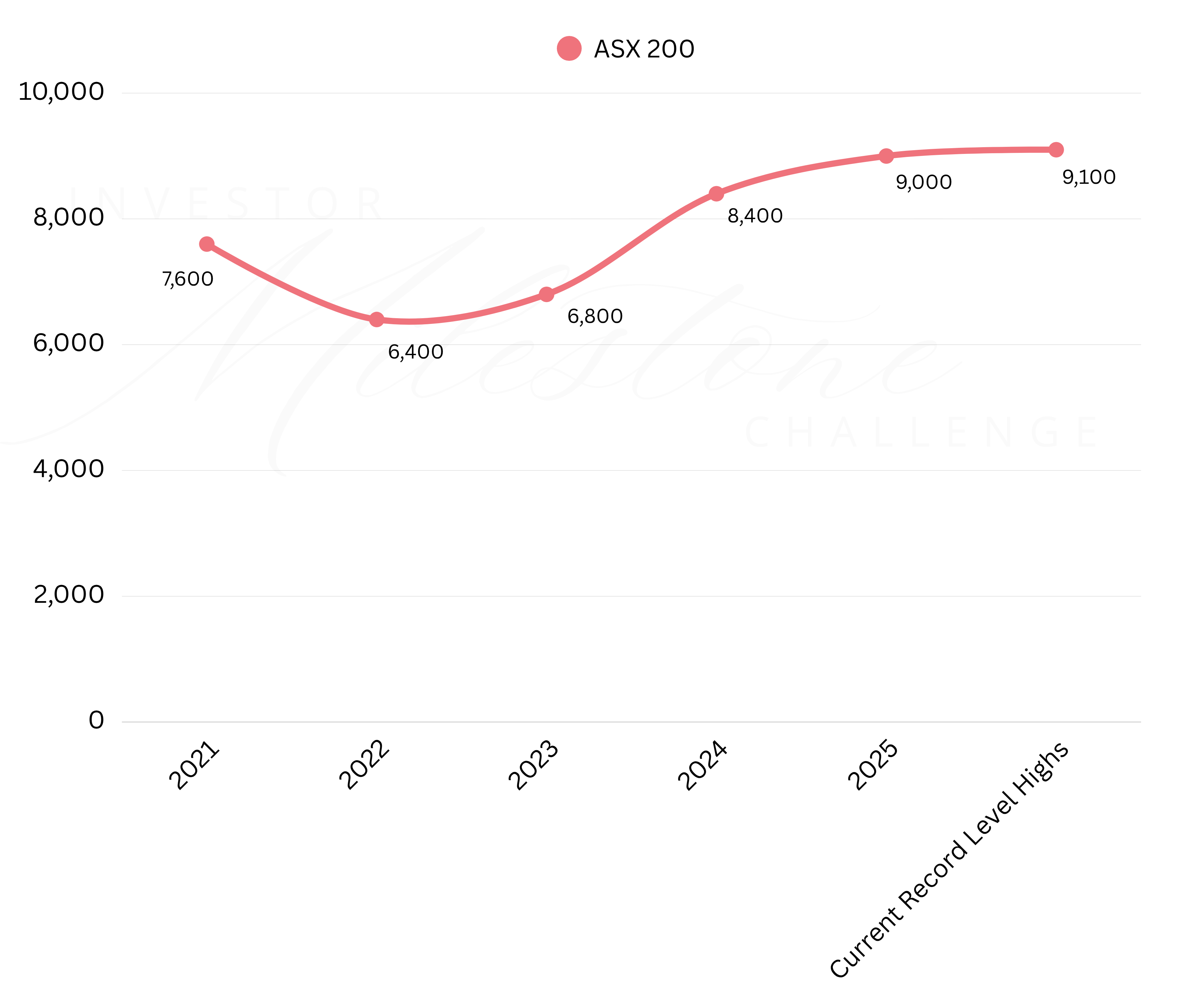
The ASX 200 represents the top 200 companies listed on the Australian Securities Exchange, highlighting Australia’s leading firms such as BHP and Commonwealth Bank.
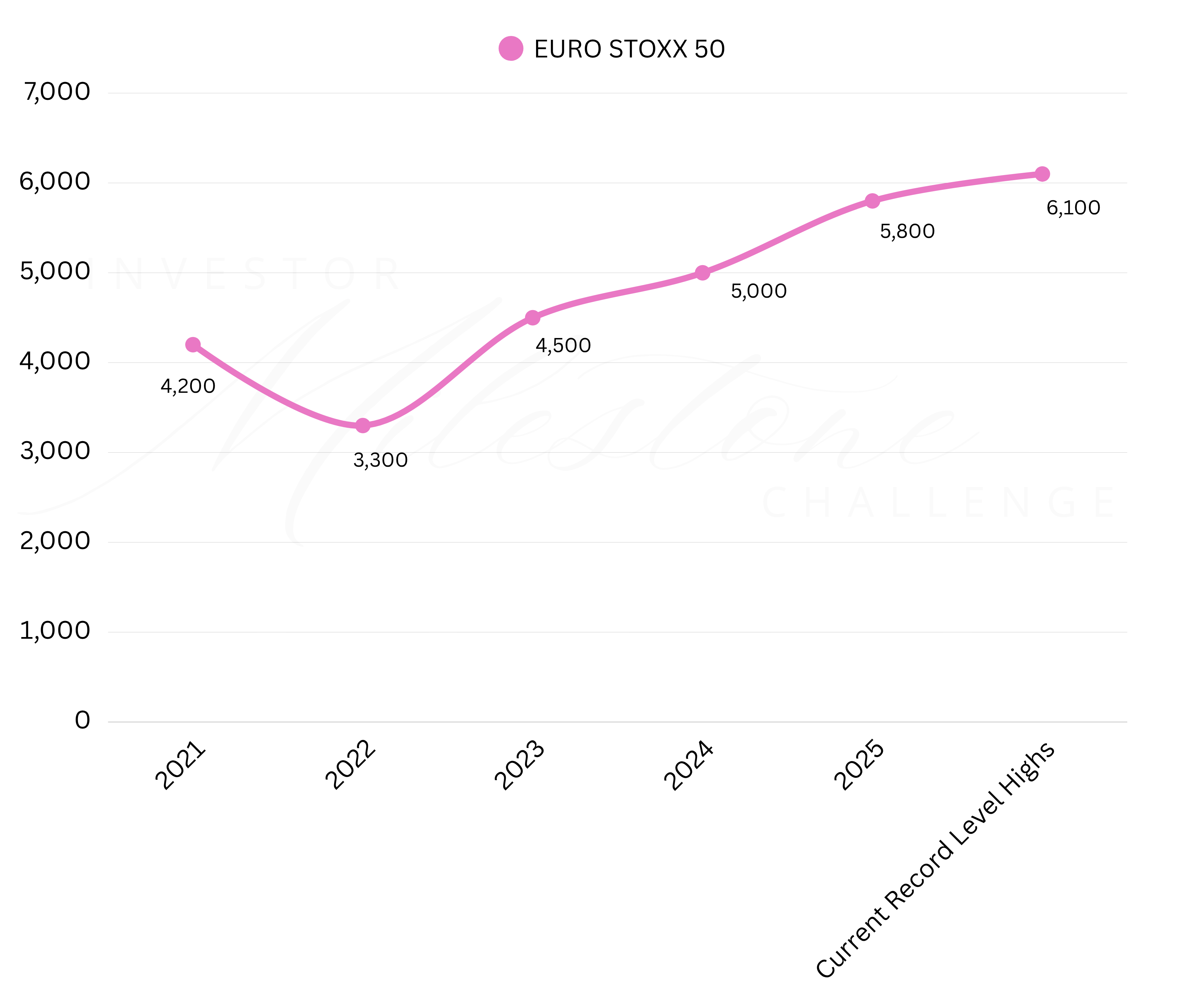
The figures presented are estimates of the record highs reached during the period under review, with all information accurate as of 08 May 2026. In instances where an index did not surpass its previous record high, the reference point used instead reflects the lowest level at which the index traded during that timeframe, providing a more representative view of its performance range.
→ Local ETFs that provide exposure to offshore indices may be impacted by currency movements. A weakening or strengthening of the rand against foreign currencies can influence returns, independent of the underlying index performance.
→ The performance of an index is not dependent on a single stock. It is driven by the combined performance of all its underlying components, which collectively determine the overall direction of the index.
→ The indices and stocks mentioned above do not constitute financial advice or a recommendation to invest in them. There are many other indices and stocks available beyond those referenced.
→ The information provided is for educational purposes only and past performance does not guarantee future returns.
→ Stock splits are not guaranteed and are corporate actions that depend on a company’s decision and market conditions. They do not change the underlying value of an investment and should not be interpreted as an indicator of future performance.